

What we're working toward


solfood exists to help provide the infrastructure that makes that easier — trusted space, consistent programming, and room for the community to lead.
Here's what we believe changes when that infrastructure is in place.
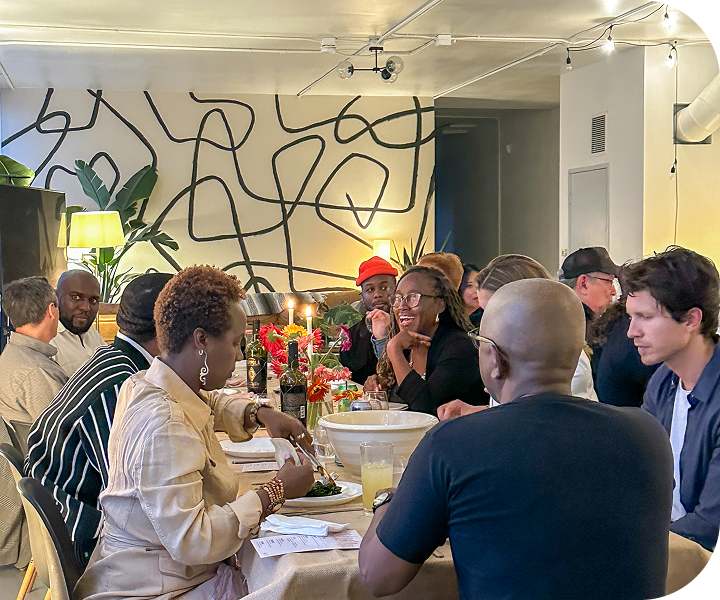
The theory
When people have a reliable place to gather — one that feels like it's theirs, that shows up consistently, that connects them to neighbors and resources and knowledge — isolation decreases, culture strengthens, and communities become more resilient.
We don't have to imagine that. We just have to create the conditions for it, measure it honestly, and keep showing up.
What we track

For residents and community members:
Are people coming back? (repeat participation)
Do people feel more connected to their neighbors?
Did they access a resource or opportunity through something that happened here?
Do people feel like this space is for them?

For the space and the model:
How consistently is the space being used?
Are partner organizations returning?
What does a resident who's been here 6 months say that they didn't say when they arrived?